
Project Overview
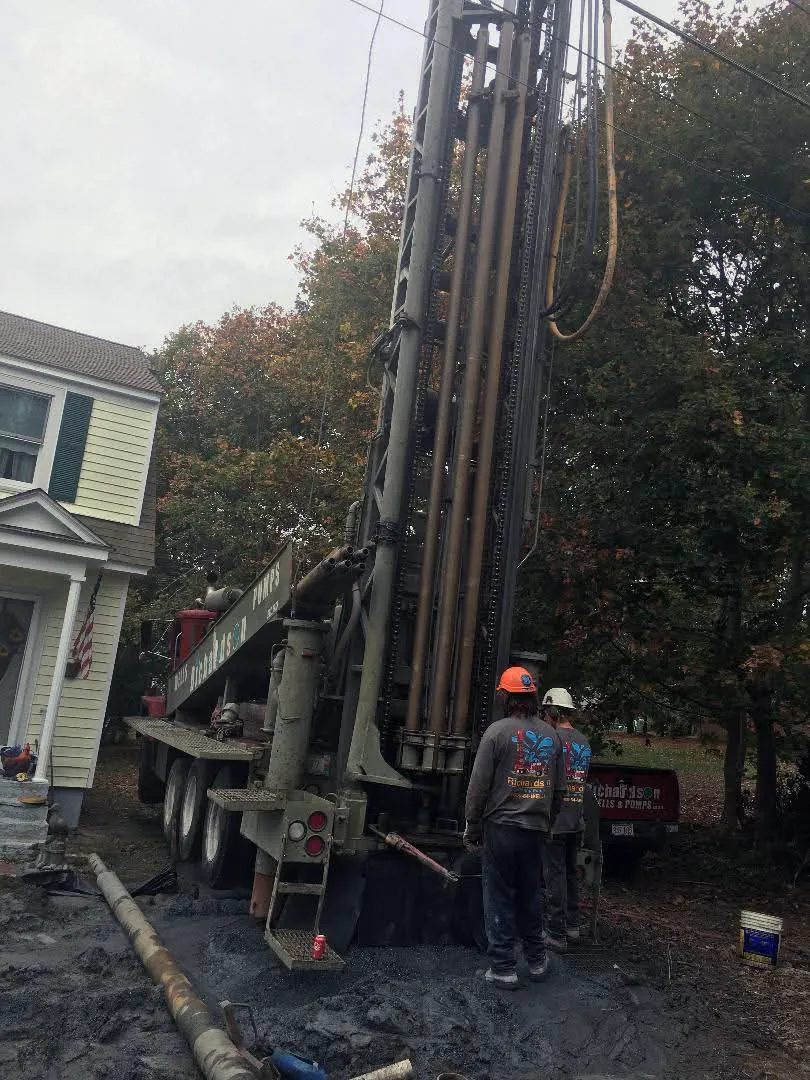
Richardson Wells and Pumps completed the installation of a new residential water well for a homeowner in Uxbridge, Massachusetts. The goal of the project was to create a dependable, long-term water source capable of supporting everyday household needs, including drinking water, bathing, laundry, cleaning, and general domestic use.
For many homeowners, a properly installed private well is one of the most important systems on the property. It needs to be planned carefully, installed correctly, and built with long-term performance in mind. This project was approached with those priorities from the start, ensuring the new well would provide consistent and reliable water for the home for years to come.
The Need for a Reliable Residential Water Source
The homeowner needed a water well system that could deliver steady water supply for daily residential use. In a home setting, water demand can vary throughout the day, especially during mornings, evenings, laundry cycles, irrigation use, or when multiple fixtures are running at the same time.
Because of this, the well had to be designed with more than just immediate water access in mind. The system needed to account for long-term demand, site conditions, well placement, depth, and overall performance.
A successful residential well installation depends on several important factors, including:
- Proper site evaluation
- Suitable well location
- Adequate well depth
- Reliable water production
- Quality materials and installation methods
- A system layout designed for daily household demand
By reviewing the property conditions and understanding the homeowner’s needs, Richardson Wells and Pumps was able to plan and install a well system built for dependable performance.
Planning the Well Installation
Before beginning the installation, the project was carefully planned around the specific conditions of the Uxbridge property. Every residential well project is different, and factors such as soil conditions, bedrock, available space, access for equipment, and the location of the home all play a role in the final well design.
The planning stage helped determine the best location for the new well while keeping long-term serviceability and performance in mind. Proper placement is important because the well must be accessible, protected, and positioned in a way that supports both the home’s needs and applicable installation standards.
The project team also considered the expected water demand for the household. A residential well should not only produce water, but do so consistently enough to support normal daily use. That means the well depth, pump system, and water delivery setup all need to work together as a complete system.
The Installation Process
Once the project plan was finalized, Richardson Wells and Pumps began the well installation process. The new residential water well was installed using professional equipment and proven methods designed to create a stable, dependable water source.
The installation involved drilling to the appropriate depth based on the site conditions and project requirements. Well depth is a critical part of the process because it helps determine access to a reliable water-bearing formation. The goal is to reach a source capable of supporting consistent household use.
After the well was drilled, the system was completed with the necessary components to support safe and reliable water delivery. The well construction was completed with attention to durability, long-term function, and the needs of the property.
Throughout the process, the focus remained on building a well system that would serve the home efficiently and reliably.
Built for Everyday Household Use
This new well was designed to support the normal water needs of a residential property. From showers and sinks to laundry and kitchen use, the system needed to be capable of handling regular household demand without interruption.
A properly installed residential well can provide homeowners with independence, reliability, and confidence in their water supply. When the well is planned and installed correctly, it becomes a long-term asset for the property.
For this Uxbridge home, the finished system provides a dependable water source designed to meet daily needs and support the household for years ahead.
Project Result
The completed project gave the homeowner a new residential water well built around reliability, performance, and long-term use. By carefully evaluating the site and designing the installation around the property’s needs, Richardson Wells and Pumps delivered a water system the homeowner can depend on.
The result is a reliable private water source that supports the home’s daily activities and provides peace of mind for the future.
Why Proper Well Installation Matters
A residential water well is not a simple one-size-fits-all installation. The quality of the planning and installation directly affects how well the system performs over time. Proper depth, placement, construction, and pump system design all play an important role in creating a dependable water supply.
Working with an experienced well contractor helps ensure the system is designed correctly from the beginning. This can reduce the risk of future problems and help protect the homeowner’s investment.
For homeowners in Uxbridge and surrounding Massachusetts communities, a professionally installed water well can provide a reliable solution for long-term residential water needs.
Residential Well Services in Uxbridge, MA
Richardson Wells and Pumps provides residential well installation and pump services for homeowners throughout Uxbridge, Massachusetts and nearby areas. Whether a property needs a new well, pump replacement, water system service, or troubleshooting, the team brings experience and attention to detail to every project.
This Uxbridge residential well installation is an example of how careful planning and professional installation can create a dependable water system built to support a home for years to come.
You could use this as a strong filler article now, then later swap in real details like well depth, gallons per minute, pump type, casing depth, project timeline, and customer photos to make it feel like a finished case study.